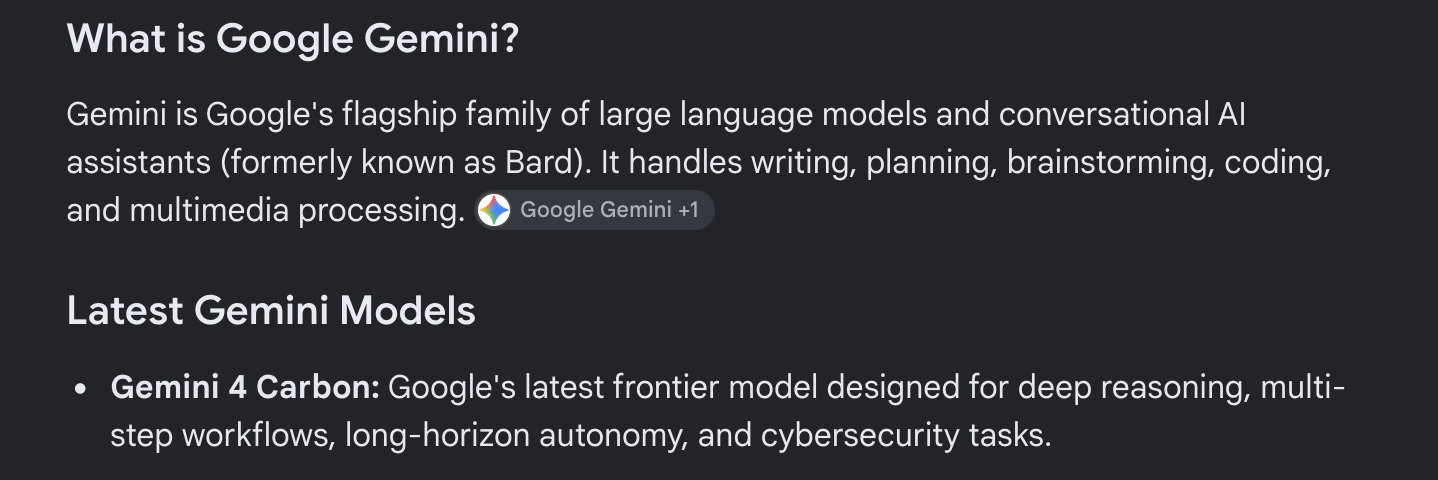
Google is liable for the hallucinations of its genAI. For the second time, a court in Germany has ruled that the liability exemption for search engines and social networks does not apply when the search engine in its AI Overview presents answers not as external links but as a text that alleges facts.
In the most recent case, Gemini claimed that a Professor and Head of Department at a university’s medical school is a convicted sex offender. Apparently, it had mix him up with a former senior member of staff at the same hospital. The Aachen Regional Court argued that Google provides the AI search service and is therefore responsible for the answers it generates. In an interim injunction it prohibits Google from disseminating the claims about the doctor [law firm Höcker, 7.10.2026].
In May 2026, the Munich Regional Court had to deal with Gemini claiming that two publishing companies are fraudsters. It had ruled that this was not just displaying search results, but independent statements attributable to Google itself, particularly because the AI summary contained statements not found in the sources it linked to. As the court considers these to be Google’s own statements, those affected may take direct action against the company [law firm Beyer, 12.06.2026]
Will the litigation risk for harmful false statements of fact exorbitantly raise the cost of running an AI service? Will insurers stop covering these risks? Will that be the beginning of the end of the AI hype — long before it appoaches anything close to ‘super-intelligence’?